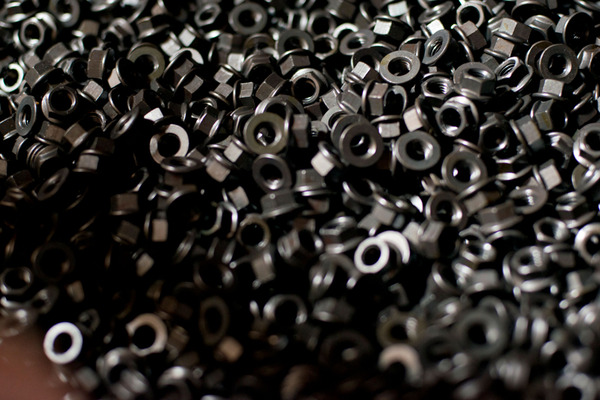
Steel fasteners are an essential part of any construction project. They are incredibly durable and versatile, making them ideal for a variety of applications in which strength and reliability are paramount. This blog will provide an overview of steel fasteners and discuss their advantages over other types of fasteners. We’ll also list some of the most common types of steel fasteners and explain how they are used in construction projects.
What Are Steel Fasteners?
Steel fasteners are metal components that combine two or more parts using pressure or force. They can be used to join various materials, including wood, metal, plastic, concrete, and stone. Steel fasteners come in many different shapes and sizes, allowing them to be used for a wide range of applications.
The Advantages of Using Steel Fasteners
Steel is the strongest material available for use as a fastener due to its superior strength-to-weight ratio. This makes it ideal for high-stress applications such as structural engineering or heavy machinery assemblies where weight must be kept to a minimum while still providing maximum strength.
Additionally, steel fasteners have excellent corrosion resistance compared to other metals like aluminium or brass. This means they can withstand harsh conditions like saltwater exposure without rusting or corroding over time.
Finally, steel is relatively inexpensive compared to other metals like titanium or stainless steel due to its abundance in nature which helps keep costs low.
Types Of Steel Fasteners And Their Uses
Several steel fasteners are commonly used in construction projects, ranging from small screws and bolts up to large lag screws and nails. The most common type is the screw, typically threaded throughout its length with a head at one end that allows it to be turned into a place with a screwdriver or wrench. Bolts are similar but feature hexagonal heads, so they can be tightened down with a wrench instead of a screwdriver, while nails feature pointed tips that allow them to easily penetrate wood surfaces without splitting them apart. Lag screws have large heads and coarse threads designed specifically for use in hardwood, while rivets have small heads designed for use on thin sheet metal panels such as those found on cars or appliances.
Conclusion
Steel is the go-to material when it comes to fastening two pieces together because it offers superior strength and durability at an affordable price point compared to other metals like titanium or stainless steel. When working on any construction project involving different materials, you should always consider using steel fasteners due to their versatility, reliability, and affordability—all factors which make them essential components for any successful job site! With this blog post, we hope that you understand why incorporating steel fasteners into your projects is so important and what types might work best, depending on your needs!