
Do you ask yourself why roof restorations can last for several years while others crumble almost immediately? What do you think happens to a roof that starts deteriorating far too early? Now, if you’re from Australia and you’re reading this to know how to best protect and improve your home, you’re reading the right post; here is the walk-through of the most common roof restoration mistakes and how to avoid them.
Roof restorations are not very different from giving your home a facelift; they are very instrumental in the seclusion of your property from weather extremes, leaks, and structural issues. In this blog, we will try to explore the net spend on restoration and understand the different challenges faced by each of the Australian roof types; we will also mention how minor oversights can lead to very serious consequences. You will quickly discover that avoiding these seven mistakes could mean the difference between a long lasting roof and expensive repairs that seem never-ending.
Before embarking on any roof repair or restoration work, factors such as regular inspections, correct paint usage, and the right materials need being taken into consideration. We’ll cover the entire lot beginning with the habit of avoiding minor roof paint issues to neglecting post-restoration maintenance. Definitely, by the end of it all, you’ll be able to identify some of the common falls and learn how to prepare yourself for guaranteed roof restoration success-an entitlement to every homeowner.
Mistake 1: Regular inspections Generally underrated Regular inspections
Roofs are seldom fun but indeed count as one of the worst mistakes in roof restoration. Usually, people swipe their roofs and ceilings into a single religion, believing that if water doesn’t get through their ceiling, their rooftops are fine. Little points like cracks in tiles, worn-out sealants, or even debris can really form a domino effect in a house. As we know, the harsh Australian sun weakens roofing materials quickly. This is what makes regular check-ups a must-have in detecting early signs of damage. Get professional roof restoration now to prevent small issues from turning into major, costly repairs.
Why are Regular Roof Inspections Essential?
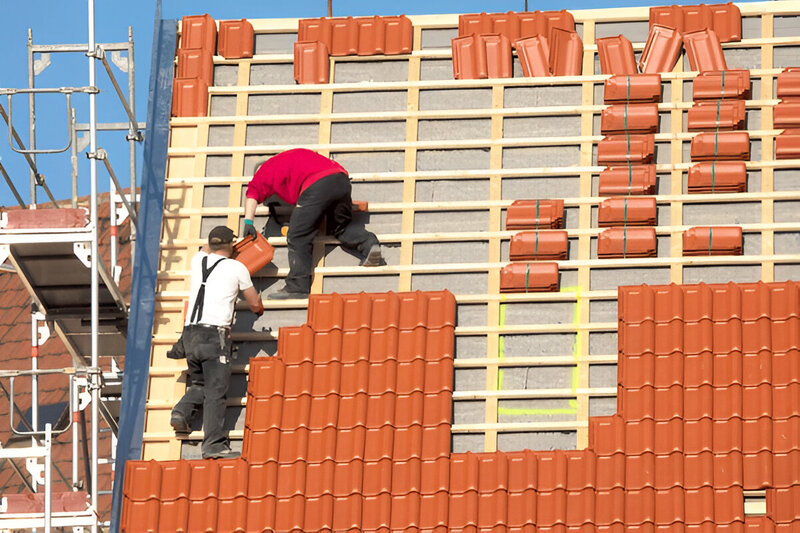
With periodical inspection, an issue is observed early, long before it becomes serious. From a tiny hole, water infiltration can cause rot and mould damaging structural integrity. Regularly scheduled inspection saves you from the costly uproar of events and keeps your roof healthy and happy (which is vital). You would of course need to have a trained eye check for wear signs because some problems are invisible at first from the ground or even from your attic.
How Often Should You Check Your Roof?
In Australia, you check your roof at least twice a year-before the onslaught of winter, and before the onset of summer. During each of those two check-ups, you would be looking for rotting shingles, clogged gutters, signs of rust, and the presence of mould. If there are any abnormalities, contact a professional immediately; this could save you from a costly repair or, even worse, an entire roof restoration project down the line.
Mistake 2: Neglecting Little Roof Paint Problems
It is amongst quite a few things a homeowner is ignorant in believing- that shying away from small bits of distinctive peeling or slightly fading roof paint is an excuse. Since minor issues of roof paint are experienced, one will raise questions about the fine layer that is meant to protect your roof. The paint is not just for beautification but for a sort of coating against moisture, UV radiation, and the daily wear and tear from weather. Don’t let the paint disintegrate, and you can anticipate disaster in premature deterioration, water infiltration, and probably new structural issues.
Why Minor Roof Paint Problems Can Create a Headache deserving to be Treated like Crazy
As for a minute chip of peeling paint, instant rusting occurs. Once rust has been deposited, there is speedy spread to metals, especially metal roofs. Cracked paint on your tiled roof, however, makes the bones of the roof liable to additional moisture, which strengthens over time. Either way, rapid is the havoc that happens when the protective layer ceases to provide protection. Incurring higher expenses in the name of repair thereafter is amplified, especially when the damage is spread out, and, in the worst case, calls for roof painting of your property.
When Can Repainting Start?
The signs are usually almost inaudible at first: a small tint of discolouration, slightly peeling paint here and there. However, come to a heads with rooted and heavy patches of faded, peeled, or cracked paint, then it is time to act. Most often, in Australia, roofs are given a fresh coat from every 8 to 15 years, and this was subject to your area’s atmospheric state and its paint quality. If salt lingers in your salty close by, the probability of corrosion is higher, galvanizing the idea of painting more frequently. What is necessary is to act as early as one can before the problem becomes a monumental roof restoration mistake.
Mistake 3: Falling for Prevalent Roof Painting Myths
These common myths threaten severe complications for any repair that tends to be a victim of following bad information. The highest pedestal is of the opinion that any paint, as long as it remains faithful to the existing colour scheme, can do the trick. The other prominent misconception is that once you paint the roof you have indeed dealt with the leaks. And following this misinformation set many owners back financially by seeking instant solutions to seemingly bigger problems that worsen rather than solving the real issue.
Myth vs. Reality: What You Need to Know Before You Paint
When your roof is aging, you are setting the stage for more problems by only painting it. Any high-quality Rochester made in Australia can certainly add to the life of your roof but it will not mend structural weaknesses, hail damage, or rotted underlayers. Further, many homeowners always underestimate the importance of pre-preparation on the surface. So, no matter how capable your paint may be, without proper preparation, how would it stick sufficiently to a dirty surface or to an already weakly-held mould? Proper cleaning, priming, and often registered repair must precede any painting possibility.
Is Overpainting a Source of More Damage?
Doubtlessly, roof painting mistakes can be very costly. Laying so many coats of paint, on the one hand without a cure to the cause of the problem, will end up trapping moisture under the coats. This will further aggravate the problem of rust in cases of metals or make fungal spots flourish in the tiled areas. Formed over time, the swelling rust or fungi will burst the paint coatings, and worsen the damage. So should you intend for a successful roof restoration, take the time to remove the peeling paint and repair whatever part is structurally damaged before applying new coats.
Mistake 4: Wrongly use Methods or Materials of Ideal Quality
Don’t tempt yourself into going really cheap for your roof paints or roofing products. It might save you a few bucks in the short run, but in the longer run, it becomes a major roof renovation mistake. Poor products will have much bad wear under the harsh Australian conditions. Money goes into repetitive repair bills since the materials would break down quickly with heavy rains, constant sun exposure, and strong winds.
Bad Roof Installation Mistakes to Be Aware of that Make for Early Wearing
Even the best products will fail if not installed properly. Misaligned tiles, poor sealing with flashing, or hurried installations all cause roofing to be compromised. Water may seep into cracks you forgot to seal, or strong wind gusts may dislodge materials that were anchored poorly. You’d be surprised at how those kinds of installation mistakes demonstrate themselves many months or even years after a poor restoration, leaving you wondering why your “brand-new” roof is deteriorating.
How Do I Choose the Right Products for My Roof?
Begin by checking the materials suitable for your roof. Research on the different forms: metal, concrete tile, terracotta, or slate. Identify the reputable brands, and focus on those which have performed excellently under the realities of Australian weather. Read product reviews, talk to knowledgeable roofers, and concentrate on the paint’s UV resistance and waterproofing capability. Materials should also match the pitch and design of your roof. For instance, flat roofs will require different membranes and drainage solutions to those used for roofs with a pitch. Thus, you can save a lot of money and stress in the long run through investment in quality right at the beginning.
Mistake 5: Overlooking Professional Expertise
Many DIY enthusiasts do their roofs in order to save money; in many cases, they find that they are out of their depth. Some home improvement operations can be safely attempted by the most novice of DIYers, but most of the roof restoration jobs aren’t such contractual service works. Mistakes made by overlooking expertise almost always include sealing improperly, uneven applications of paint, and even more cracks. These keep growing.
DIY and Hiring a Qualified Roofer in Australia
Climate conditions in Australia range from the tropical north to the cooler southern regions, with roofing materials in such environments being extremely challenged. Therefore, a qualified roofer not only helps you select the correct products but also knows the local weather patterns that would affect your roof. There are seasonal storms, heavy winds, temperatures vary, and roofing installations really require technical know-how to effectively manage all. As fun as a DIY project may sound for the weekend, it can have hidden costs and hardly durable.
The Short End of DIY Roof Restoration
If you have years of expertise in structural repairs, painting, and safety measures, then maybe a careful job done by you has a fighting chance. But most homeowners don’t have time, tools, and knowledge to complete all aspects of an entire roof restoration. One tiny slip-up, like failing to see a crack or using the wrong sealant, could make your roof vulnerable. With the risks involved, it is often more economical to have an experienced professional, who will rectify any damage done, and guarantee their work.
Conclusion
This is precisely what a successful roof restoration depends on-the multiple factors that it has been based upon. Regular inspections allow to troubleshoot problems, while good maintenance of paint keeps small problems from developing into bigger headaches. The quality materials and workmanship to go with it give one the best shot at a roof that will last for a very long time. And in such an ecologically conscious age that we’re living in now, eco roof restoration is no fad-it’s a wise choice that yields dollars as well as beautification dividends.